


 Semgrep
 GitHub
 Snyk
Snyk Endor Labs
 AWS
AWS


What You Can Do with StackHawk & Semgrep
Correlate Semgrep SAST findings and runtime findings to eliminate duplicates, reduce noise, and prioritize which vulnerabilities to fix based on actual exploitability from commit through production.

Reduce Noise
Say goodbye to investigating the same SQL injection twice. When Semgrep catches a vulnerability in your code and StackHawk validates it’s exploitable at runtime, you get a single, correlated alert with complete context. No more duplicate tickets overwhelming your backlog or wasting your team’s time on manual deduplication.

Prioritize Vulnerabilities
Not all vulnerabilities are created equal. Our integration automatically surfaces findings that exist both in code and at runtime, giving you confidence that these are real risks worth fixing. You can skip the guesswork and prioritize vulnerabilities that attackers can actually exploit in your production application.

Accelerate Fixes
Developers see Semgrep findings in their pull requests, then StackHawk confirms whether fixes actually resolve the runtime vulnerability. This creates a fast feedback loop developers can trust where security findings lead to confident remediation, reducing the back-and-forth that slows down your development cycles.
How SAST & DAST Correlation Works
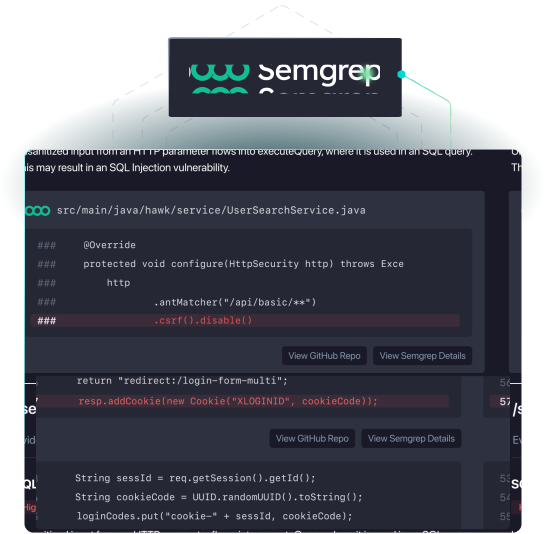
- Semgrep scans your codebase, identifying security vulnerabilities using its powerful, customizable rules
- StackHawk tests your running applications directly in CI/CD pipelines, validating which code-level issues are actually discoverable and exploitable
- When a matching finding is detected, StackHawk automatically correlates it to Semgrep's code-level detections
Interested in seeing StackHawk at work?
Schedule time with our team for a live demo.
See StackHawk in Action
Schedule a 30-minute live product demo with expert Q&A

For more information about how StackHawk handles your personal data, please see our Privacy Policy.